Short project summary
This project is a dedicated initiative to document, preserve, and actively share the collective memory of the martyred village of Kallikratis in Sfakia. Through collecting oral testimonies from relatives and survivors, gathering archival records, identifying spatial points of interest (POIs), and developing a self-guided mobile application, the project brings local history to life through immersive on-site memory walks accessible to locals, Greek visitors, and international travelers.
Why this project matters
The tragic events and executions of October 1943 in Kallikratis represent a crucial chapter of local and European wartime history that risks fading as generations pass. Transforming scattered oral memories, family archives, and physical village landmarks into an interactive public history experience ensures that remembrance remains an active, participatory practice. By combining spatial storytelling with digital tools, the project honors the victims, educates visitors, and firmly roots historical memory in the physical landscape of the village.
Main activities
1. Collection and documentation of testimonies and sources
We are collecting and organizing oral testimonies, family narratives, bibliographic sources, and other historical material related to Sougia and the wider area. This includes meetings with people who hold knowledge of local history, the recording of oral testimonies, the use of already published testimonies from books, and an initial thematic organization of the material.
2. Spatial mapping and identification of Points of Interest (POIs)
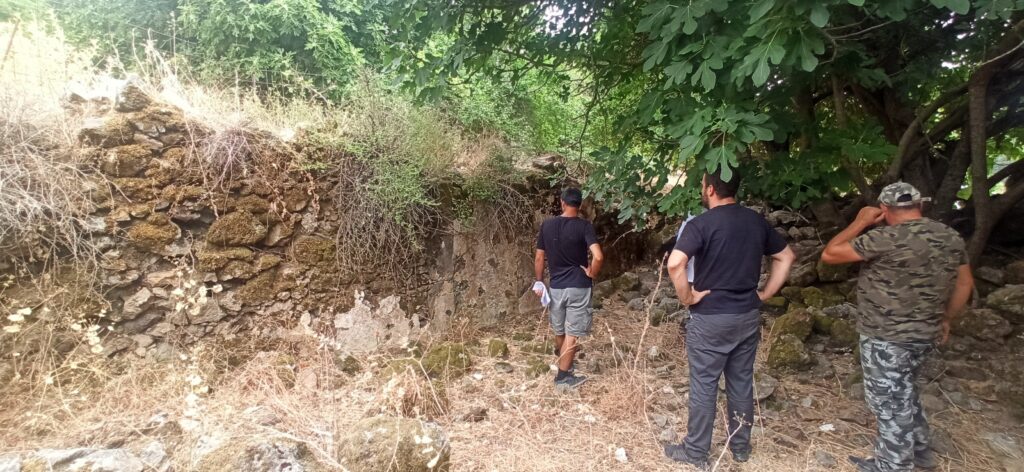
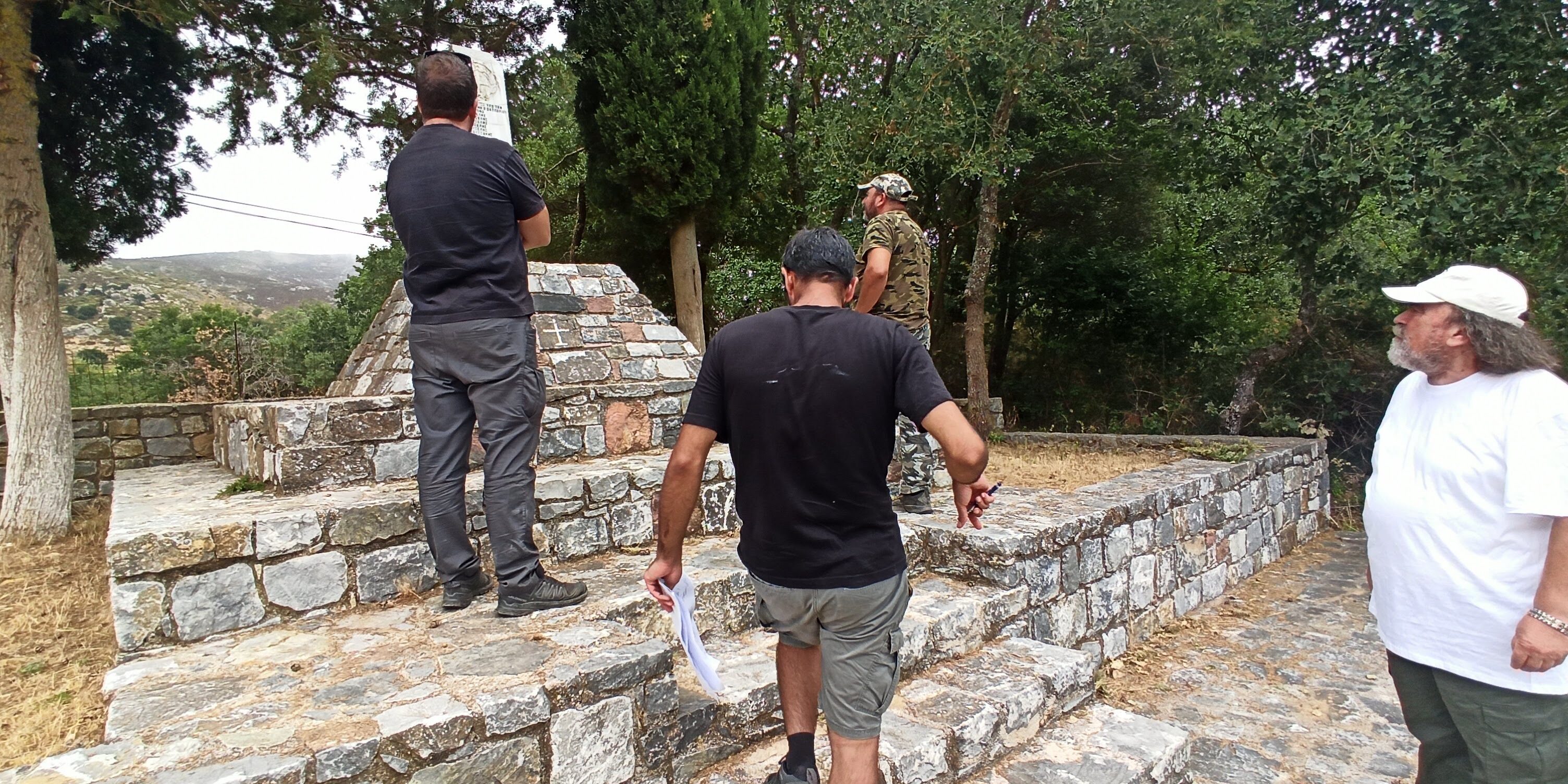
Identifying, geo-tagging, and documenting significant historical sites across the village (such as execution sites, burned houses, defensive positions, and memorial landmarks). Each POI is paired with relevant testimonies, photographic records, and historical context.
3. Development of the self-guided Memory Walk application
Designing and building an intuitive mobile app that enables individual visitors and groups to navigate Kallikratis independently. The application integrates GPS-guided routing, audio excerpts of testimonies, archival photographs, and multilingual informational texts (Greek, English and German).
4. Public presentation and community engagement
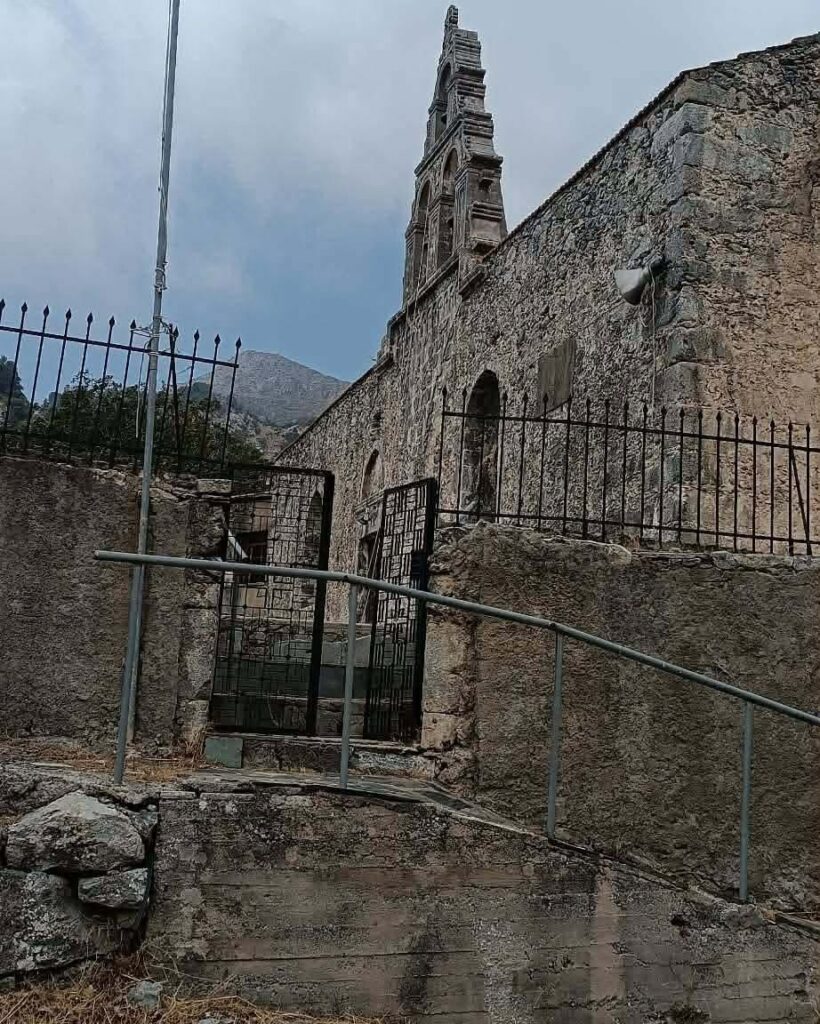
Hosting an open community event in Kallikratis to present the gathered archives, the mapped route, and the mobile application. This phase invites dialogue among locals, researchers, and regional cultural stakeholders to ensure community ownership of the shared narrative.
5. Annual Commemorative Memory Walk activation
Inaugurating and establishing guided memory walks as a recurring public activity integrated into the annual memorial events held every October for the Holocaust of Kallikratis.
Expected outcomes
- A structured digital archive of oral testimonies, family histories, and historical sources regarding Kallikratis.
- A mapped historical trail featuring documented Points of Interest (POIs) across the village.
- High-quality multilingual narratives (Greek and English) paired with archival visual material.
- A functional, user-friendly self-guided mobile application for on-site navigation and storytelling.
- A public community presentation returning the documented history to the local population.
- The establishment of an organized annual Memory Walk during the official October commemoration events.