


Just east of the historic centre of Chania in Crete lies Halepa, a neighbourhood whose streets and buildings preserve an extraordinary concentration of the city’s modern history. Once home to consulates, political figures, wealthy merchants, artists, industrial workers and important institutions, Halepa was closely connected to some of the most significant political and social developments in Crete.
Today, walking through Halepa is less about visiting a collection of isolated monuments and more about discovering the layers of history embedded in the neighbourhood itself. Grand villas stand alongside former industrial buildings, diplomatic residences, schools, churches and places associated with more recent social and political life.
Here are the most important and iconic landmarks that reveal the many different faces of Halepa.
The Tanneries of Halepa
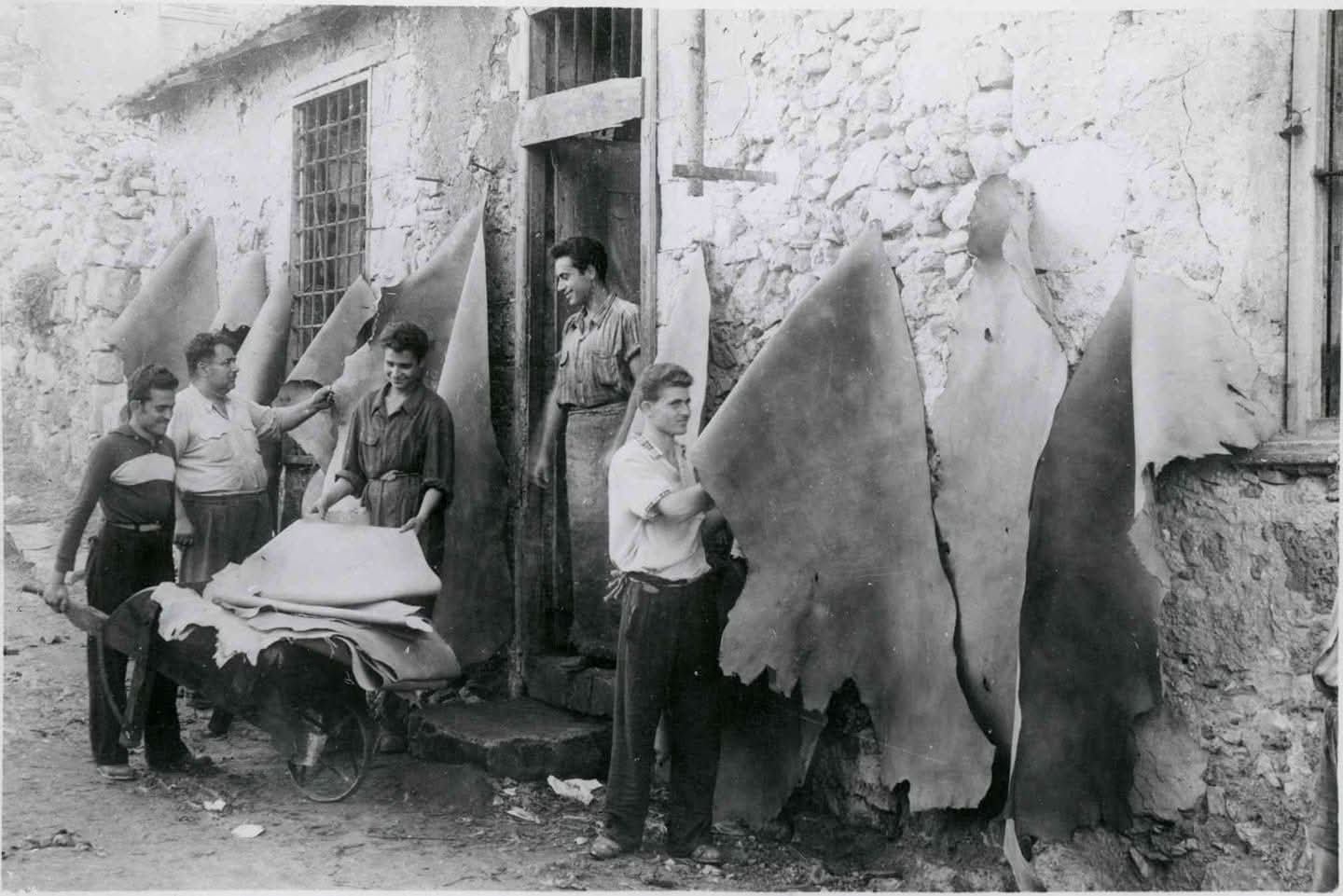
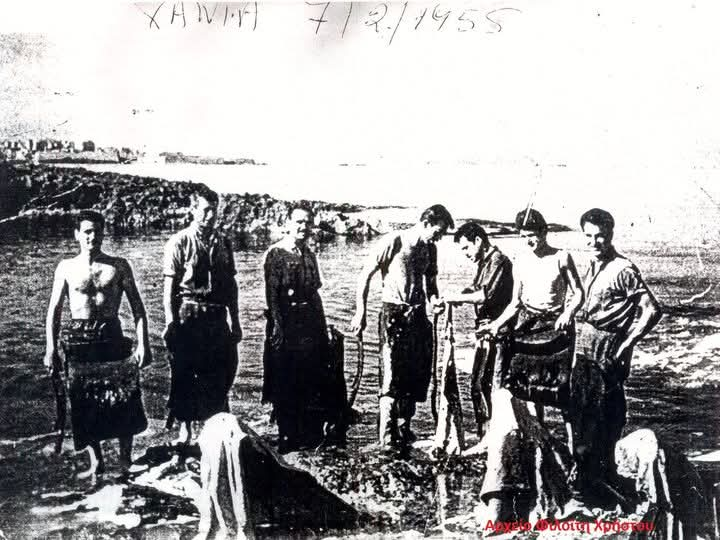
The Tanneries of Halepa, together with those of Agia Kyriaki, once formed the most important industrial area in Chania and, by Cretan standards, one of the most significant industrial zones on the island. Located along the coast of Halepa, their position was closely connected to both the production and trade of leather. The proximity to the sea was important to the tanning process itself, while access to the harbour facilitated the transportation and trade of the finished leather, connecting the local workshops with wider commercial networks.
The tanneries began developing in the mid-19th century and remained active until the 1970s. Their greatest period of prosperity came during the interwar years, when as many as 80 workshops operated simultaneously. The workers of the tanneries, known as tampakides, largely lived in Halepa. Their contribution to the neighbourhood was not limited to leather production. They also became part of the cultural life of the area, contributing to the development of Tabachaniotika, a distinctive musical tradition associated with the tanneries and their communities.
Today, the last operating tannery, that of Christos Filoitis in Lower Halepa, remains as a reminder of this industrial past and of a very different Halepa, before the transformation of the neighbourhood by modern urban development.
The Former French School
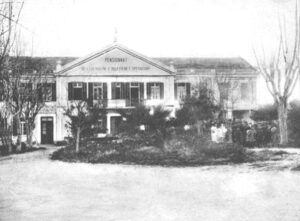
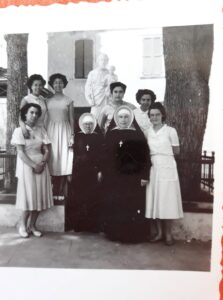
The impressive building of the Former French School has experienced several different lives.
It began as the private residence of an Egyptian merchant in the 1850s. In 1895, it became the French School, operated by the Roman Catholic Sisters of St. Joseph, who added the two side wings that form part of the building today.
The school functioned as a model primary and secondary school until 1983, with particular emphasis on the French language and French culture. From the late 1970s, the building came under the Ministry of Education and, for a period, also housed the School of Architecture of the Technical University of Crete.
Its changing uses reflect the broader transformation of Halepa from a prestigious eastern suburb into an increasingly important educational and institutional part of Chania.