Short project summary
This project develops a network of historical routes in Sougia, Moni, Livadas and Koustogerako, four places deeply connected with the history of occupation, resistance, destruction and survival during the Second World War.
Through archival material, oral testimonies, local narratives and selected points of historical interest, the routes aim to make the memory of the area accessible to residents, visitors and younger generations. The project connects the physical landscape with the lived experiences of the communities, transforming paths, ruins, villages and landmarks into open-air spaces of public history.
Why this project matters
Many stories of the area still survive through family memories, local narratives, photographs, books and scattered archival material. However, this material is often difficult to access, especially for younger people, visitors, and those who are not already familiar with the history of Eastern Selino.
By creating historical routes, Cultural Memory aims to support the preservation and public sharing of this heritage. The project treats local memory not only as a record of the past, but as a shared cultural resource that can strengthen community identity, intergenerational dialogue and responsible cultural tourism.
The routes also offer an alternative way of experiencing the area: not only through its natural beauty, but through the stories of the people and communities who shaped it.
Main activities
1. Historical research and documentation
The project begins with the collection and organization of historical material related to Sougia, Moni, Livadas and Koustogerako. This includes archival sources, published material, photographs, local narratives and existing testimonies connected with the Second World War, the occupation, resistance, destruction and survival in the area.
2. Identification of places of memory
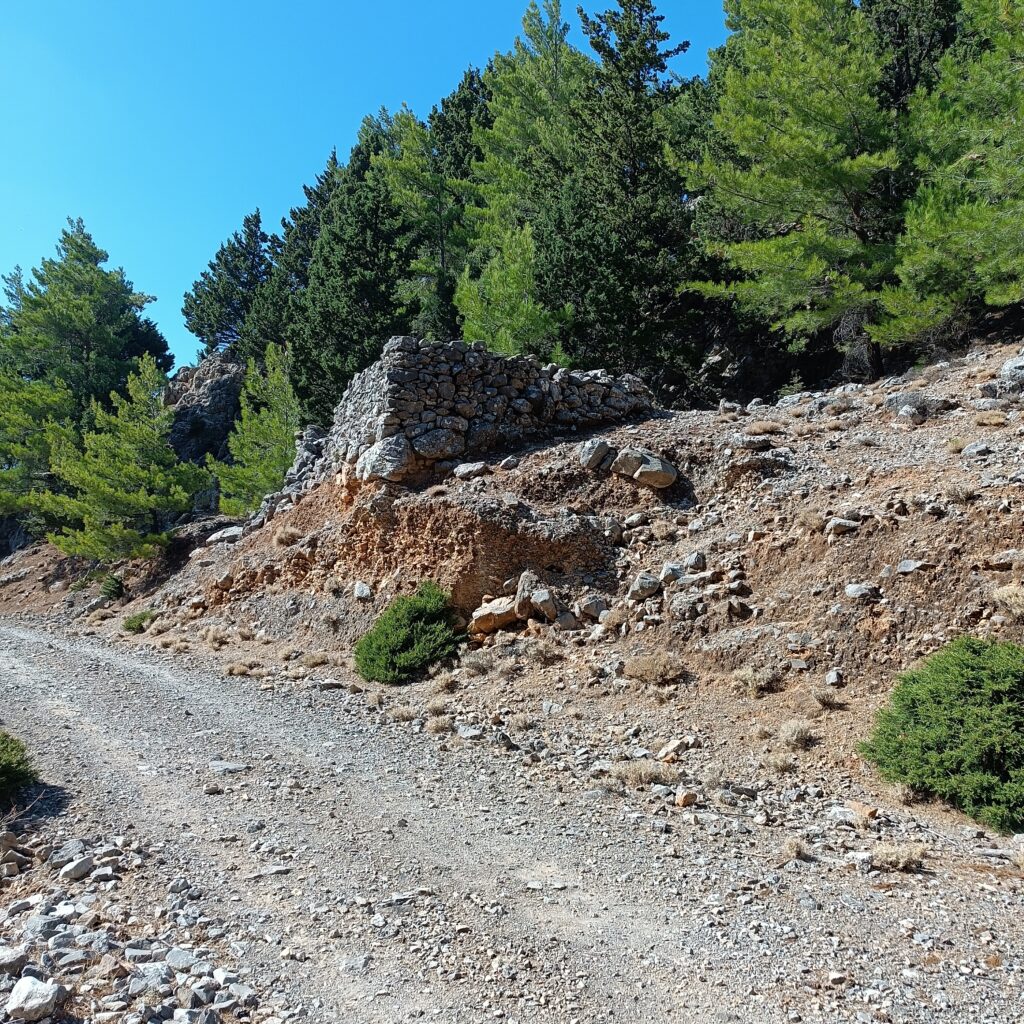
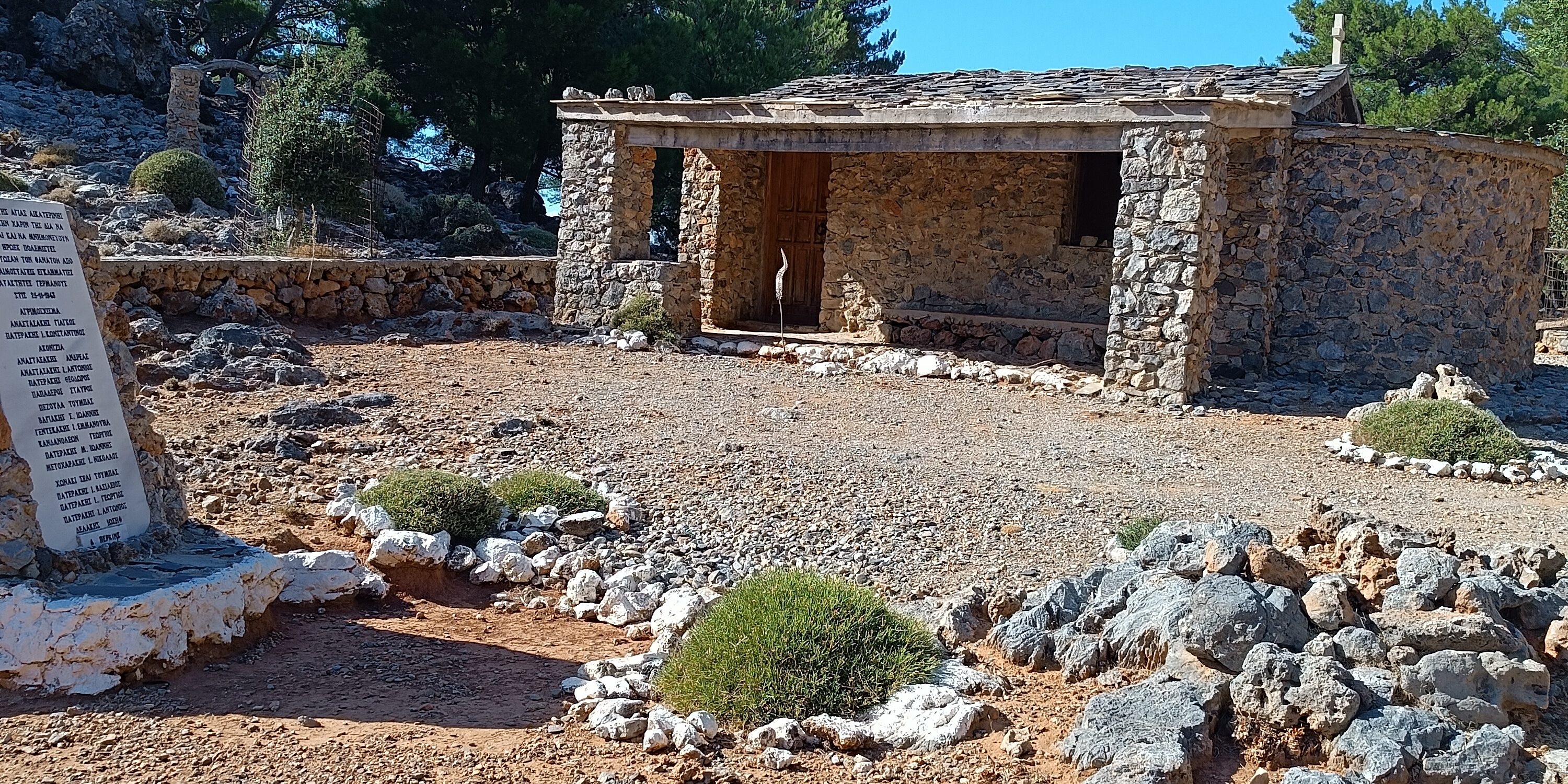
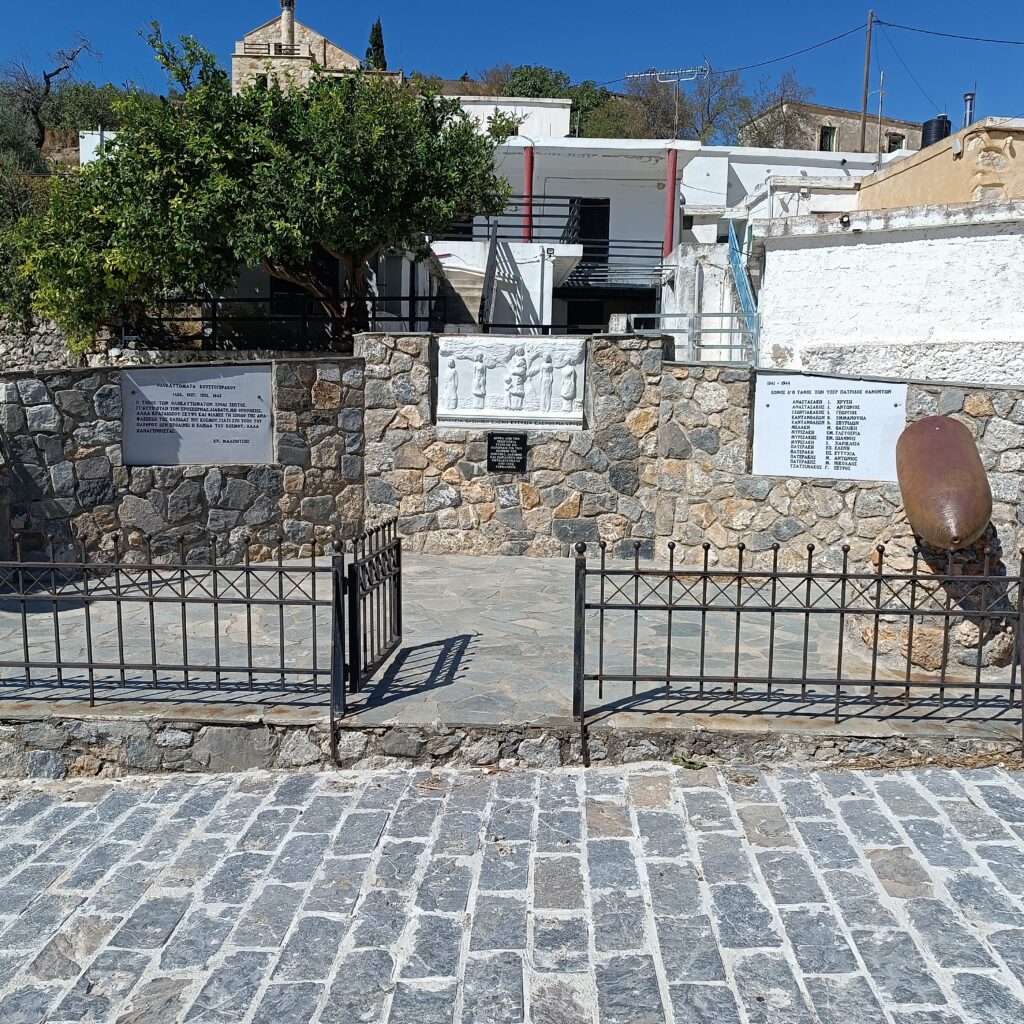
Cultural Memory will identify and map selected points of historical interest in each village and in the wider landscape. These may include memorial sites, ruins, paths, buildings, churches, village locations and other places connected with local testimonies, wartime events and collective memory.
3. Route design and historical interpretation
Based on the collected material and selected points of memory, the project will design three historical routes. Each route will combine historical information, storytelling, oral testimonies and place-based interpretation, allowing visitors to understand the history of the area through the landscape itself.
4. Digital self-guided experience
The historical routes will be developed into a digital self-guided experience, accessible through a web application. Visitors will be able to follow the routes on their own mobile devices, access texts, images, audio or testimony-based material, and explore the memory of Sougia, Moni, Livadas and Koustogerako at their own pace.
5. Guided walks and public engagement
Cultural Memory will also develop guided versions of the routes for visitors, schools, groups and local communities. These walks will create opportunities for dialogue, public history, educational activities and community engagement, strengthening the connection between local memory, cultural heritage and the people of the area.
Expected impact
By the end of the project, the following will have been achieved:
- Preservation and public sharing of the historical memory of Sougia, Moni, Livadas and Koustogerako.
- Greater visibility for the martyred villages of Eastern Selino and their wartime history.
- Creation of accessible historical routes for residents, visitors, schools and cultural groups.
- Connection of oral testimonies, archival material and local narratives with specific places in the landscape.
- Strengthening of local identity and intergenerational dialogue around collective memory.
- Development of a responsible, research-based form of cultural tourism in the area.
- Support for Cultural Memory’s wider work in public history, memory walks and digital heritage experiences.
- Transformation of the wider Sougia area into an open-air field of memory, learning and historical reflection.