Short project summary
This project is a first meaningful step toward documenting and sharing the collective memory of Sougia and the wider area in southern Crete. Sougia is historically connected with the inland villages of Koustogerako, Moni, and Livadas, all officially recognized as martyred villages due to destruction, executions, and bombardment during the Second World War. Through testimonies, historical sources, archival material, museum reorganization, the creation of a new thematic section, and the development of a website, the project aims to make local history more accessible and return it to the community through the museum.
Why this project matters
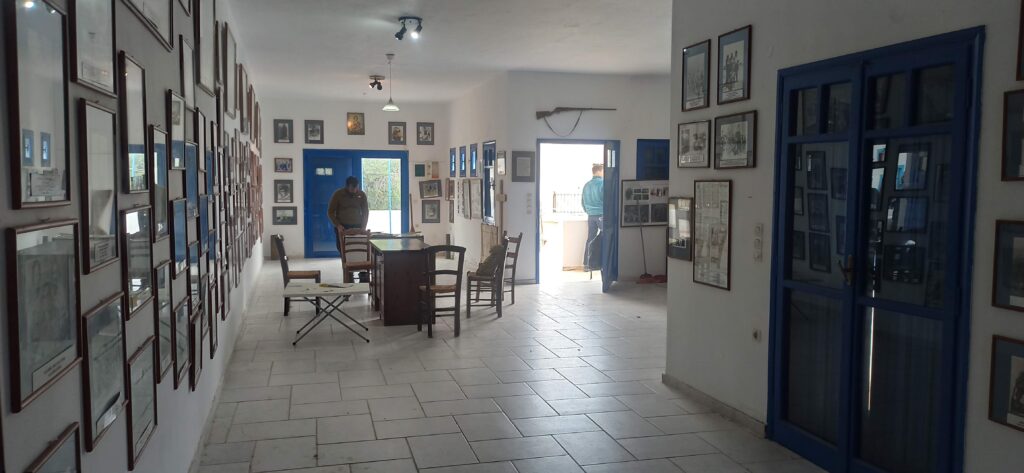
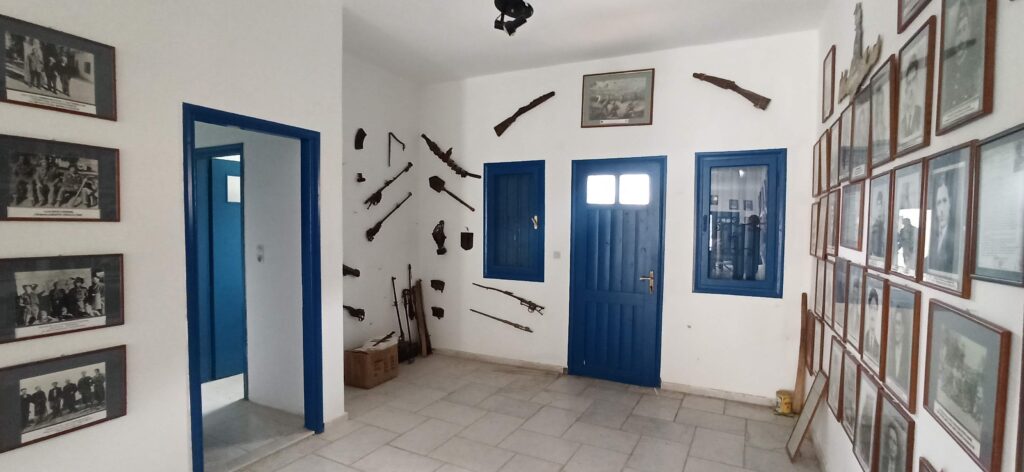
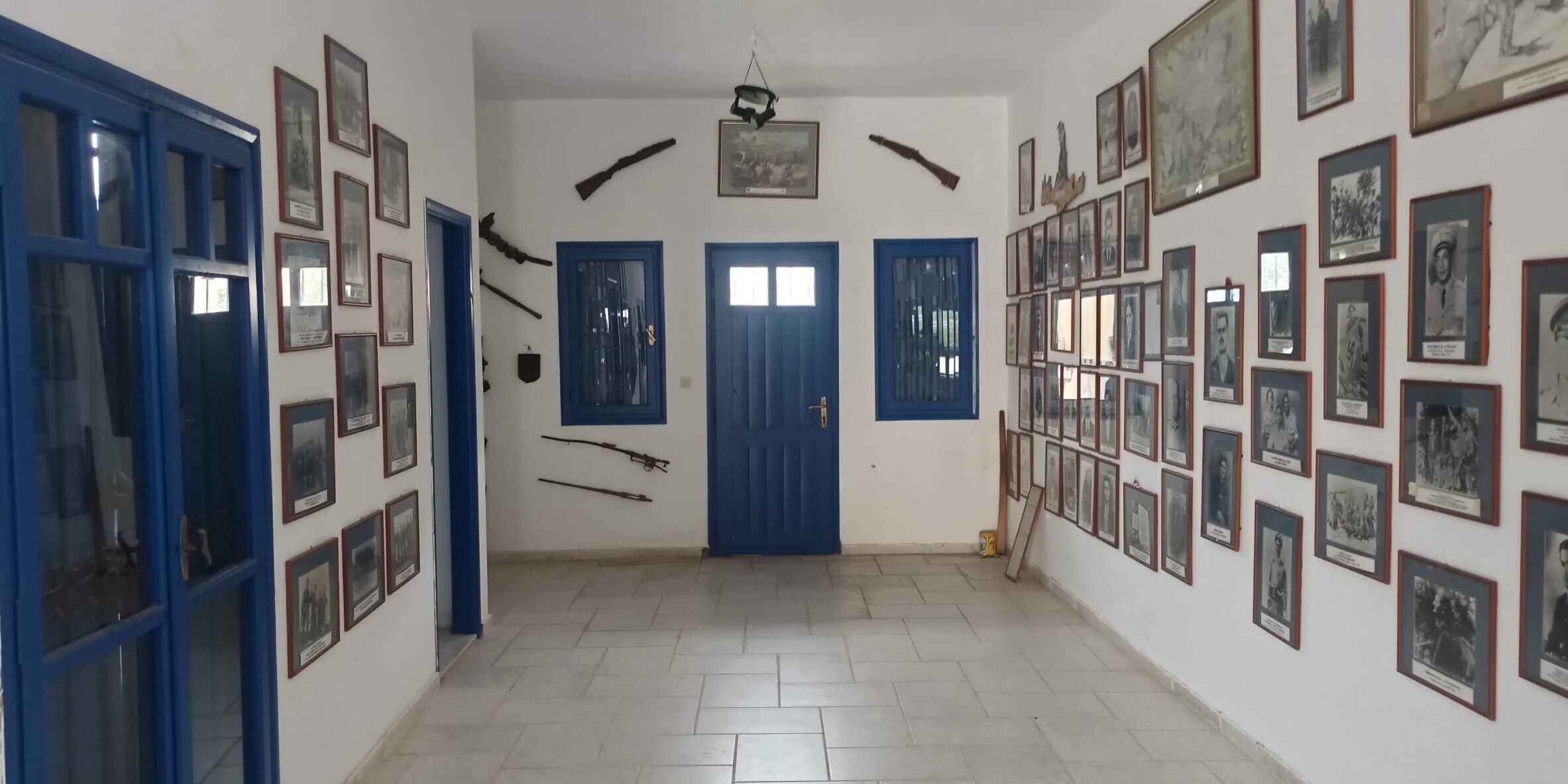
A significant part of Sougia’s historical memory still lives on through residents’ narratives, family memories, books, photographs, and scattered documentary material. At the same time, the museum, although important, has not yet been developed into a fully active space of memory, learning, and public history. This project proposes a first meaningful step toward organizing that material, making it more accessible, and bringing it back to the community through the museum.
Main activities
1. Collection and documentation of testimonies and sources
We are collecting and organizing oral testimonies, family narratives, bibliographic sources, and other historical material related to Sougia and the wider area. This includes meetings with people who hold knowledge of local history, the recording of oral testimonies, the use of already published testimonies from books, and an initial thematic organization of the material.
2. Organization and basic digitization of selected material
Once the material has been collected, selected documents and historical items will be organized and digitized for use in both the museum and its website. This may include photographs, excerpts from testimonies, historical references, and other relevant documentary material.
3. Museum reorganization, creation of a new thematic section, and reading corner
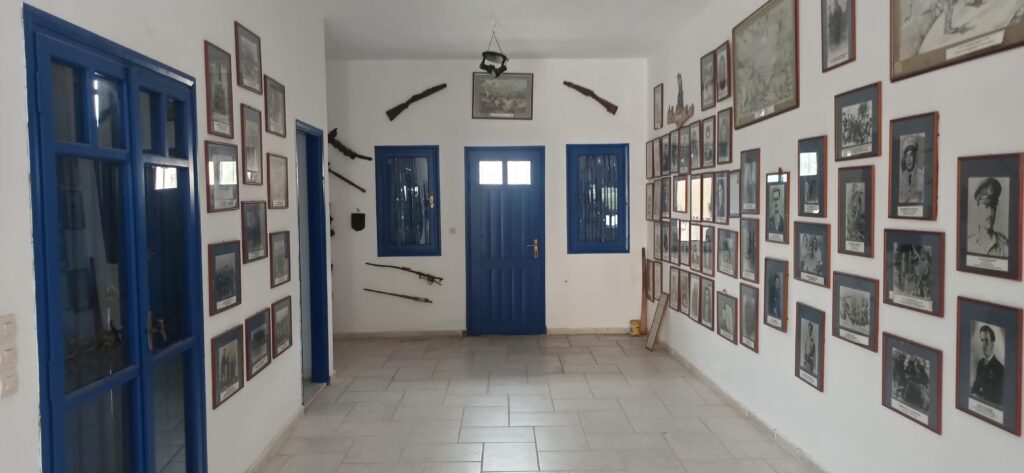
A central part of the project is the strengthening of the museum itself. We aim to better organize the museum’s existing material into thematic sections, create a new thematic section based on the testimonies and sources collected, prepare key texts and captions, translate selected material into English and German, and improve the museum’s overall readability and accessibility. As part of this process, we will also add a small reading corner with a library and seating area for visitors who wish to engage more deeply with the history of Sougia and the wider area.
4. Creation of the museum’s website and digital access within the museum
The project will include the development of an initial website for the museum, which will function as its main public digital presence. The website will offer information about the museum, the history of the area, its thematic sections, news and activities, and contact details. In parallel, tablets will be available inside the museum so that visitors can further explore the history of Sougia and the wider area through selected digitized material, such as photographs, testimonies, and other historical sources.
5. Public presentation and educational activation
At the end of the project, the results will be returned to the community through an open presentation in Sougia. The event will include a presentation of the work carried out, a discussion on collective memory as a common good, the museum in its renewed form, and the website and organized material developed through the project. As part of this closing phase, we will also design and pilot an educational “lost memory” game for a school group, in which one group of children will work in the museum as “researchers” and another at a historical site as “trackers,” collaborating to reconstruct a historical event. In this way, the museum is activated not only as a space of exhibition, but also as a space of learning, participation, and intergenerational connection.
Expected outcomes
By the end of the project, the following will have been achieved:
- an initial organized body of testimonies, sources, and historical material related to Sougia and the wider area;
- selected material digitized and made available for both museum and digital use;
- a better organized museum space structured around thematic sections;
- a new thematic section based on collected testimonies and sources;
- key texts and captions prepared, with selected material translated into English and German;
- a small reading corner within the museum, including a library and seating area for visitors who wish to explore the area’s history in greater depth;
- an initial website for the museum as its main public digital presence;
- digital access within the museum through tablets, allowing visitors to engage more deeply with digitized photographs, testimonies, and other historical material;
- a public presentation of the project’s results in Sougia;
- a pilot educational activity for a school group, introducing the museum as a space of experiential learning and community engagement.